Panic and uncertainty are reflected in the eyes of the few passersby who dare to leave their homes in the neighborhoods of San Juan, the epicenter of the Dominican diaspora and the target of raids ordered by U.S. President Donald Trump. According to data from the Puerto Rico Institute of Statistics, around 60,000 Dominicans reside on the island, which has just over 3 million inhabitants, representing 60% of the immigrant population.
Eleudy Mercedes, a Dominican who arrived in Puerto Rico seven years ago, describes the situation, stating that in neighborhoods like Barrio Obrero and the surrounding areas of Río Piedras, there is a complete silence with many businesses closed out of fear. Since last week, the streets have emptied, the venues where traditional Dominican music used to be heard are deserted, and the presence of Dominican children in schools and medical consultations has markedly decreased.
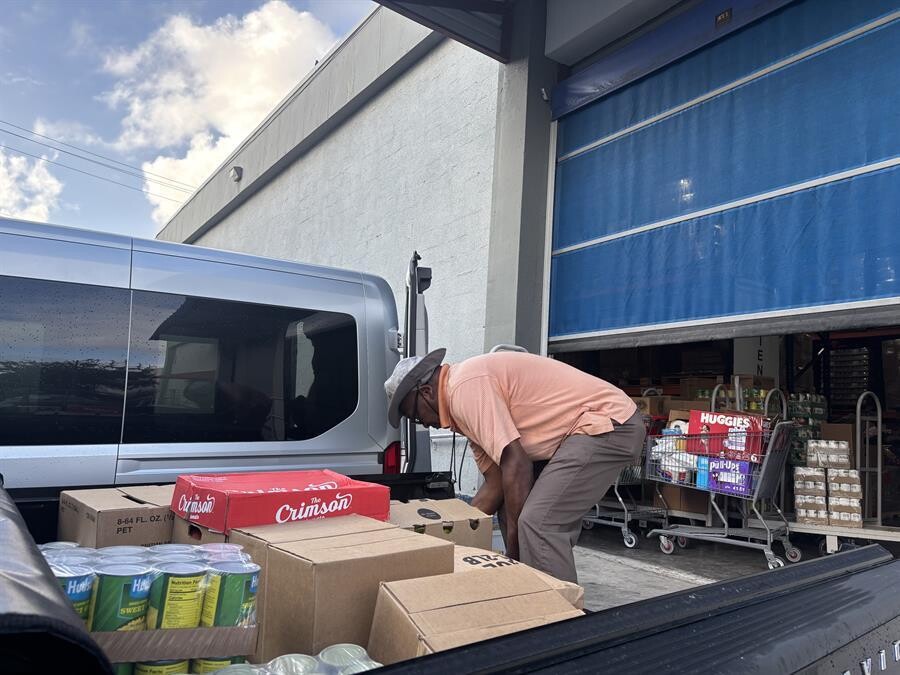
José Rodríguez, president of the Dominican Human Rights Committee of Puerto Rico, denounces the xenophobic and racist persecution by U.S. immigration authorities, warning of an imminent economic and humanitarian crisis on the island. Meanwhile, Leonard Phophil, spokesperson for the Haitian community in Puerto Rico, remains active distributing food from house to house to migrants who are afraid to go out due to the raids.
Among the testimonies, Junio Antoine, 38 years old and of Haitian origin, recalls with anguish his journey from Haiti to Puerto Rico, where he preferred to risk his life rather than return to his homeland due to violence and insecurity. The uncertainty and fear are palpable in a community that feels harassed and abandoned by local and federal authorities amid the raids and detentions of immigrants on the island.