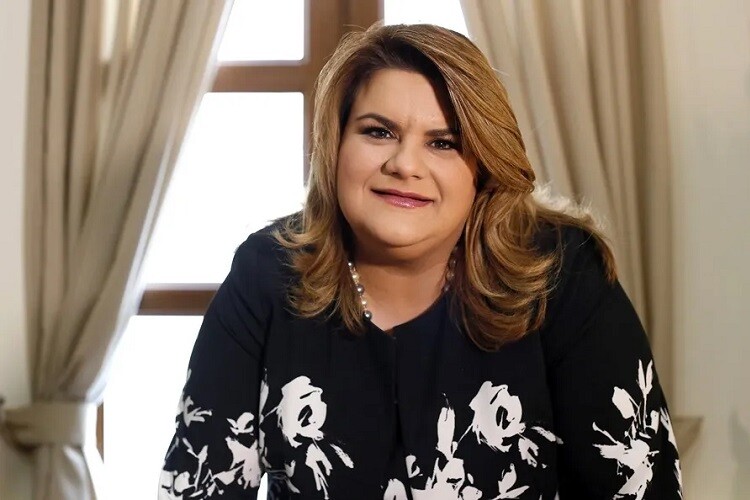
The Governor of Puerto Rico, Jenniffer González, announced on Sunday that she has signed into law a controversial bill that recognizes the unborn as a natural person, a move that has drawn rejection from multiple sectors, including health professionals.
Senate Bill 504 seeks to amend Puerto Rico's Civil Code to clarify that "the human being in gestation or nasciturus is a natural person, including the conceived at any stage of gestation within the maternal uterus".
The measure was authored by the President of the Senate, Thomas Rivera Schatz, and several conservative senators, mostly from the New Progressive Party (PNP), led by the governor.
Recently, more than 320 doctors and health professionals in Puerto Rico made an urgent plea to the governor not to sign the project, considering it "a risk to the lives of pregnant women".
In a letter, the signatories warn that the bill, which proposes to grant legal capacity to the embryo from conception, represents a substantial alteration to the legal framework of the current Civil Code and could have serious and direct consequences on medical practice and the autonomy of women and pregnant individuals.
The letter was signed by the College of Physicians and Surgeons of Puerto Rico, obstetrician-gynecologists, pediatricians, neonatologists, nursing staff, and professors from Schools of Medicine.
"Under this legislative proposal, there are critical scenarios that could become more dangerous, such as ectopic pregnancies, massive hemorrhages, or placental disorders that require immediate intervention," explained Yari Vale Moreno, an obstetrician-gynecologist.
The gynecologist added that allowing the legal intervention of third parties—including ex-partners or individuals not clinically linked—could "delay urgent medical decisions and put the life of the pregnant person at risk".
The signatories of the letter warned about complications in cases where a pregnant person faces a cancer diagnosis during early stages of pregnancy, as the measure could limit the right to terminate the pregnancy to allow life-saving treatments.
The letter also highlights cases of non-viable pregnancies or with lethal malformations, where the measure could allow couples or ex-partners to interfere in necessary medical decisions, forcing the continuation of pregnancies that impact the physical and emotional health of the pregnant person.
They also alerted to the risk of criminalizing pregnancy losses for medical reasons and denounced that the measure could grant new legal tools to aggressors in cases of domestic violence, extending their control over the pregnant person.
In turn, obstetrician-gynecologist Alberto de la Vega indicated that the bill could generate lengthy legal disputes even in cases of rape, where the aggressor could attempt to legally represent the fetus against the will of the victim.